All throughout China, Taiwan, and other parts of East Asia, the bubble tea trend has reached its peak, with crowds of youth lining up for a big cup of the ice-cold tea beverage. Yet we still find small groups of elderly folk sitting somewhere shaded in a park, enjoying hot Gong Fu style tea.
For the westerner, it is counterintuitive to drink hot tea for hours on a hot, muggy day. Many of the older people, however, are aware of the secrets of Chinese medicine and know exactly which beverages to drink in the summer to keep the body cool.
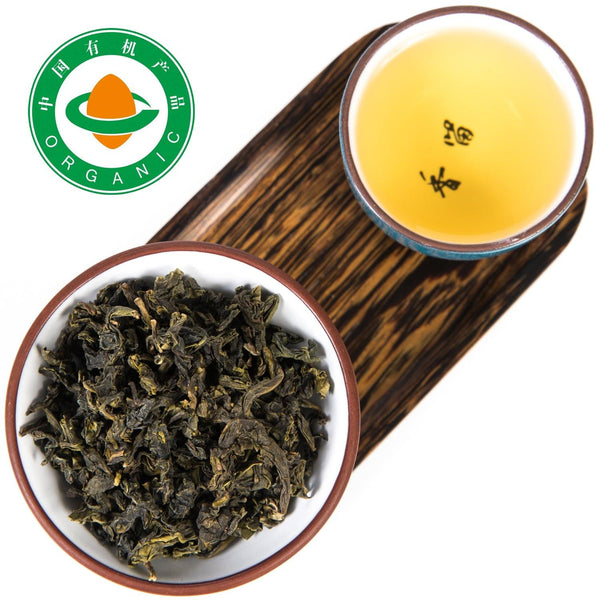
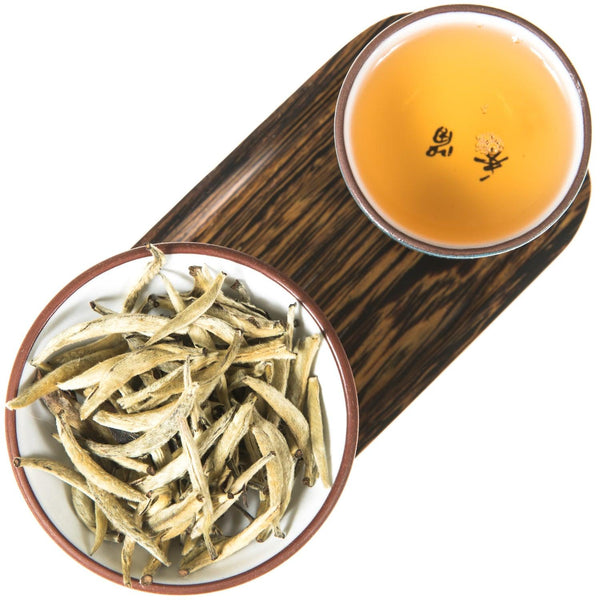
Green, White and Yellow teas, as well as lightly oxidized Oolongs like Tie Guan Yin, are the classic cooling picks in Traditional Chinese Medicine (TCM). Sheng (raw) Pu-erh belongs on this list too, since it is unfermented and shares green tea's cooling profile.

First, What Is Traditional Chinese Medicine?
Chinese medicine has existed for millennia. In its entirety, it combines drinking various herbs and teas, acupuncture, massage, and exercise like qi gong. Chinese medicine targets the origin of the disease in the body and implements a long, holistic method of healing, instead of a quick cure. An essential part of Chinese medicine is the concept of energy (Qi) and the heating (Yang) and cooling (Yin) properties of foods and drinks.
Heating foods balance the over-accumulation of cold and dampness in our bodies, and, on the opposite spectrum, cooling foods balance heat (these do not necessarily relate to the temperature of the food, but rather to their properties). In Traditional Chinese Medicine, it is believed that consuming too many icy or raw foods can adversely affect our body’s well-being.
Traditional Chinese Medicine and Tea
Pu-erh is one of the most commonly used teas in TCM (Traditional Chinese Medicine). It is widely used to drive toxins out of our bodies. Sheng (or Raw) Pu-erh is a cooling tea (Yin), which helps balance the heat (Yang) in our bodies. An excess of heat in our body usually results in inflammation. Also, in the hot summer months, it is easier to accumulate excess heat. Shou (Ripe) Pu-erh, however, has gone through the Wo Dui fermentation process, which gives it warming properties instead. Save Shou for the winter warming list.
What Gives A Tea Its Cooling Properties?
The cooling properties of a specific tea will be closely related to the amount of oxidation the tea leaves underwent.
Since green teas have some of the lowest amounts of oxidation, they are often considered to have some of the most cooling properties. Also, lightly oxidized oolongs, such as the refreshing, floral Tie Guan Yin, possess cooling properties.
Black teas, on the other hand, have more heating qualities and may be a better choice for people who have accumulated too much dampness or for drinking during the chilly winter months. Feeling a lack of energy is closely related to dampness and cold. Dark and robust oolongs, for example, Wuyi Oolong (Yancha), are also suitable for this purpose.
Drinking hot tea during intense heat is not only a common practice among China’s elderly but also very commonplace in countries like Malaysia, India, Egypt, and Morocco, to name a few.

Our top 3 cooling teas for the hot weather:
For those who still prefer something cold and refreshing, cold-brewing tea is our top recommendation for making tea cold while preserving the greatest number of nutrients. Read more here.