Sunday, January 4th at 1:00pm
2202 Ave X, Brooklyn, New York
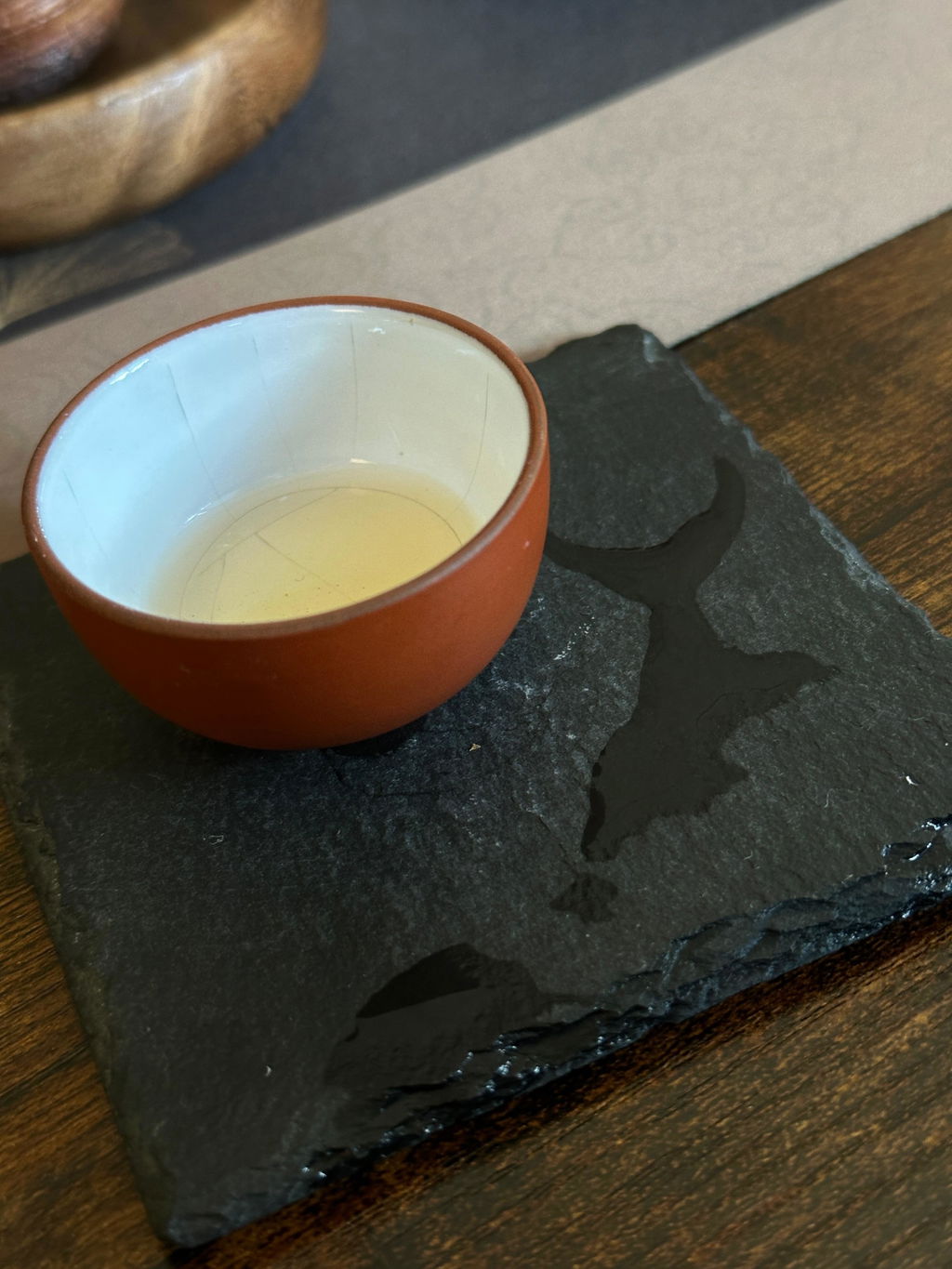
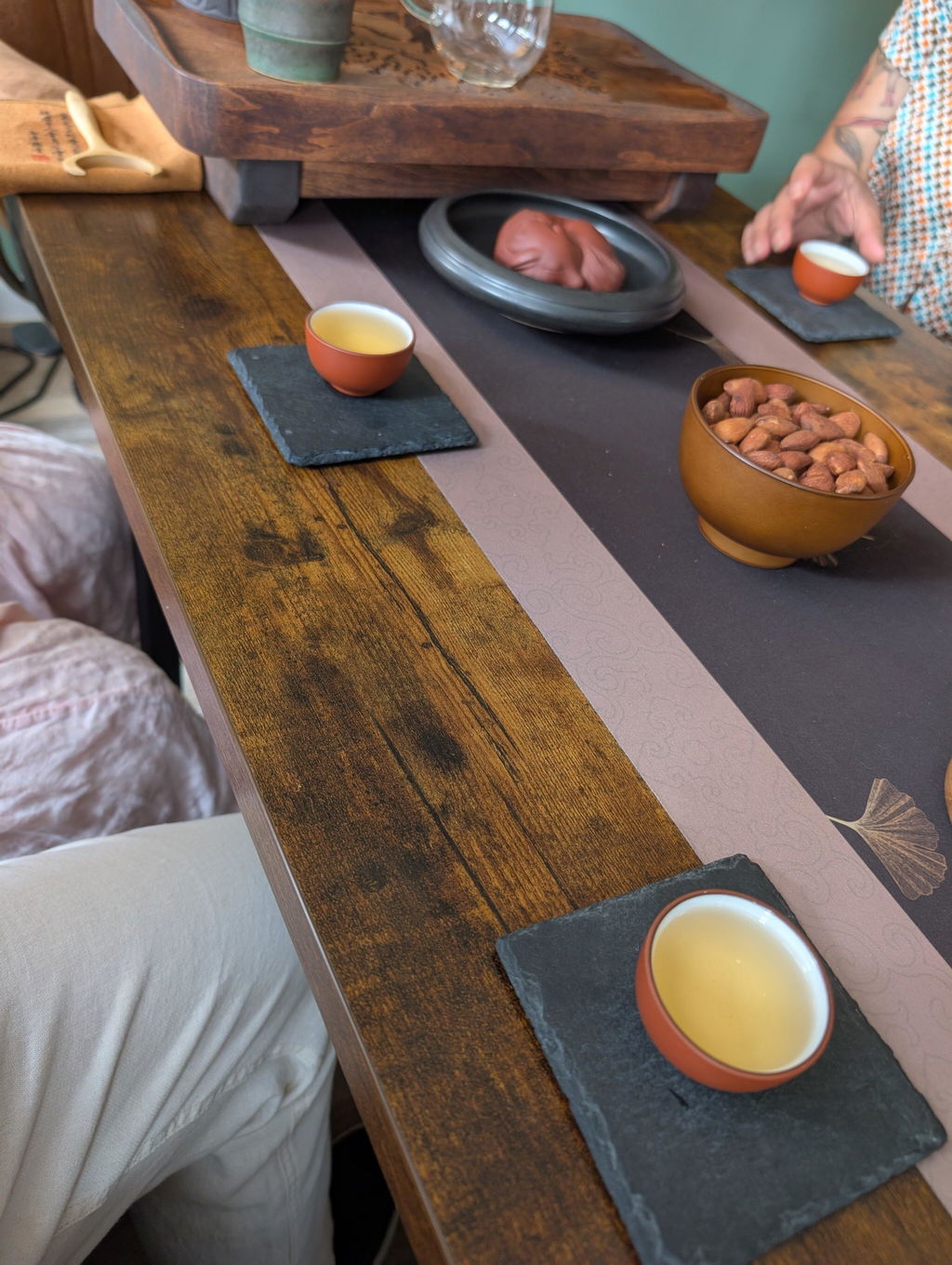
Every other Weekend, while the shop is closed, we set aside a couple of hours to brew and share tea with new and old friends, and you're invited :)
It's a casual, friendly tea tasting, where we try 3 different teas (see below). It will be either new arrivals, old favorites, or fresh samples. We will take time to explore their origins, how they were made, and what we're tasting. It's not a class or a lecture – just tea, conversation, and a chance to slow down and enjoy the moment :)

We like to keep it small – there are only 6 seats available, so if you're planning to come, it's a good idea to reserve your spot in advance. The price is nominal, to cover the cost of the teas we are tasting.
So, if you're free on this day and want to try some good teas with good people – join us. We'll be here, kettle on :)
The teas we'll be tasting are three Oolong teas from Guandong and Wuyi:
• "Honey Orchid" Mi Lan Xiang Dan Cong – one of the ten main fragrance types of the Dan Cong tea tree, famous for its ability to mimic different flavors. Mi Lan Xiang is one of the most acclaimed Dan Cong teas. It possesses the fragrance of irises and orchids and a honey-sweet taste.
• "Duck Shit" Ya Shi Xiang Dan Cong – the makers of this tea came up with a fable about their precious tea so that others wouldn't try to steal it. They told outsiders that the flavor came from all the duck shit in the soil, hoping to dissuade the interest of the competition. For better or worse, this little fable hasn't worked as the farmer hoped. Soon enough, word about the aromatic Dan Cong Oolong that grew from duck shit spread far and wide, provoking much interest in trying this tea that leaves a pleasant, lingering sweetness.
• "Big Red Robe" Da Hong Pao Yancha – The Wuyi Mountain region is a place with a unique terroir. Locals call it 三坑两涧和马头 – 'Three Valleys, Two Streams and "Horse Head" Rock'. Though not incredibly high, the mountain peaks are always shrouded in fog and mist. The moisture accumulates on the rocky sides of the mountains. It then flows down these rocks to the roots of the tea plants, enriching them with minerals and creating the unique "rocky rhyme" taste for which Da Hong Pao is famous.
If you can't make it this time but want to stay updated about our future tea tastings, then subscribe to notifications to stay in the know. We hope to see you next time:)