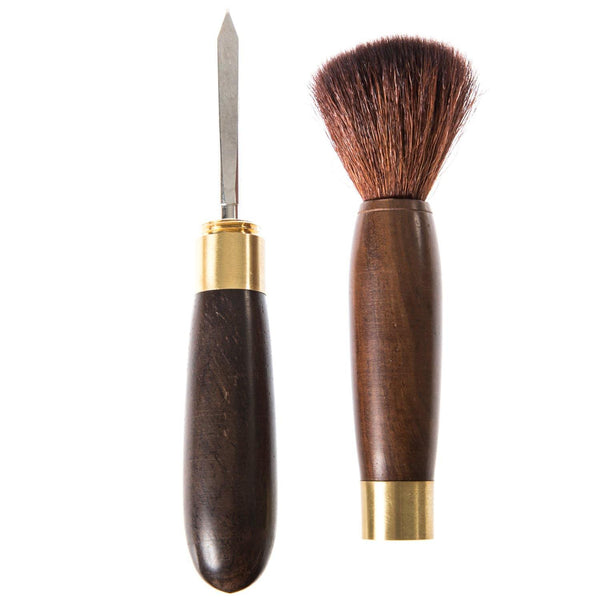
Breaking up a pu-erh cake is easy once you know how. Pu-erh is a fermented and tightly compressed tea; therefore, we need some skill to pry it loose. Furthermore, we shouldn't do it by hand. To break off a piece of pu-erh, we should use a pu-erh tea needle and carefully wiggle it loose.
What Is Pu-erh Tea?
Originally from Yunnan province in China, pu-erh tea has an ancient history of more than 1,000 years. Like Champagne and other regionally specific foods and beverages, pu-erh is a geographically indicated product. To be legally called "Pu-erh", it can only be produced and fermented within a designated area of Yunnan Province, using maocha – a sun-dried tea made from the broad-leaf Da Ye Zhong varietal. Similar tea is grown and produced in neighboring countries, including Myanmar, Laos, Vietnam, and Thailand, but under Chinese geographical indication rules, it cannot legally be labeled or sold as "Pu-erh".
Why Is Pu-erh Tea Compressed?
Pu-erh is a post-fermented tea. This means it undergoes long periods of fermentation (ripe pu-erh tea undergoes microbial fermentation) and aging before it is ready for consumption.
Hundreds of years ago, pu-erh was Yunnan’s most important export product. Caravans filled with the earthy, sweet, and mellow tea would be transported on the Ancient Tea Horse Road primarily to Tibet and far-away parts of China where people depended on this tea. Read more.
The fermentation and compressed shape not only made it more convenient to transport large quantities of the tea but also ensured the tea stayed fresh during transport and, furthermore, throughout the decades to follow.

What Shapes Does Pu-erh Come In?
The most common shapes of pu-erh are as follows:
A cake of pu-erh is flat and disc-shaped. The sizes can range from as little as 100 grams to as big as 5 kg, sometimes even more. In general, a cake size of 300-500 grams is most common.

In English, this shape is known as “bird’s nest” for its resemblance of such. A pu-erh nest can range anywhere from 3 grams to 3 kg. A small tuo cha pu-erh is especially popular for having on the go during travel or work. It is also a common little souvenir from China that is easy to carry and a gift to others.
Many years ago, tuo cha pu-erh had a hole in the middle, through which a string was threaded to tie many of them together, making them easy to transport. Now, however, the tea has evolved into a closed bird’s nest shape, and the original shape is no longer produced.

Pu-erh in a rectangular brick shape. These can range from 100 grams up to 1 kg. This was the shape of tea transported along the Ancient Tea Horse Road.

- Citrus peel or ju pu (chen pi pu-erh)
Pu-erh leaves are packed into hollowed-out citrus fruit, most commonly tangerines. The leaves are packed while they are still moist, then left to dry in the sunlight. Afterward, the tangerines are placed in a dry warehouse, where they continue to ferment. The result — an exceptionally delicious pu-erh tea with a delightful citrus flavor. This type of tea is known to combine the benefits of pu-erh tea with those of dried citrus peel, which are highly regarded in Traditional Chinese Medicine.

Other common pu-erh shapes include melon — pumpkin-like compressed pu-erh; mushroom — literally resembling a mushroom, this shape is most often found in Tibet; square — the square shape usually has characters pressed into the tea, common as a gift; bamboo or "tong cha" — pu-erh packed into hollow bamboo, then baked over an open fire. The result contains both the delicate flavors and aroma of bamboo plus the pu-erh tea leaves.
Lastly, we have pu-erh in loose tea form. This is maocha that never underwent compression. It is aged for a certain amount of time, then sold as raw pu-erh.
When first trying pu-erh, it is common to purchase pu-erh samples.
These are usually broken off from a whole pu-erh cake or brick and come in the size of 25 grams. It’s a pity to purchase an entire cake and not be satisfied with its flavor. When we find the pu-erh that we wish to drink more of, it is best to invest in an entire cake. That way, we can have plenty of tea that we like for a lower price. Another benefit of purchasing pu-erh in large bricks or cakes is that, unlike green tea, it won’t go bad for many years to come and sometimes only becomes better with age (as is often the case with raw aged pu-erh).
When we have purchased our own cake, it is important to break it up properly, that way we can extract the best taste. To break up compressed tea, we must use a special pu-erh tea needle. Never try to use a knife or your hands, not only can it damage the tea, but is also dangerous.
Breaking Up A Pu-erh Cake: 5 Easy Steps
-
Prepare your surface: get a gong fu cha pan and place your pu-erh cake on top of it. The chaban (tea tray) is excellent to work on since it can catch any loose pieces of the tea.
-
Unwrap the cake and place it face down (the face is the smooth side of the cake, usually the side that has the paper on it).
-
Take the pu-erh tea needle and make 3 holes in the cake, spaced relatively close together. Try inserting it from the sides of the cake, trying to find the softest spot. Don’t apply too much pressure and be careful not to stab yourself with the needle while doing so.
-
Once you have inserted the needle, gently wiggle the tea loose at each of the three spots until you can easily separate a small piece.
-
Place the tea inside of a Cha He (‘tea box’ – a vessel for the introduction of tea). It is customary in China to first look at the tea in the cha he, then bring it close to deeply inhale its aroma.
Why Drink Pu-erh: Pu-erh Tea Benefits
In Traditional Chinese Medicine, Pu-erh tea has long been valued for its role in digestion, particularly after rich meals, as well as several other benefits studied. Read more about pu-erh tea's benefits.
Caffeine content in pu-erh varies by type and brewing method. Shou pu-erh in particular is often recommended in China for the evening hours. Learn more about pu-erh and caffeine.
Historically, the monks of Tibet, as well as those of other neighboring countries, relied on this fermented Chinese tea used for meditation. The caffeine levels are high enough to help you stay alert yet calm and relaxed. Learn about practicing mindfulness.
Breaking Up A Pu-erh Cake: Video