What is the difference between matcha and sencha?
Matcha and sencha are both Japanese green teas that come from our beloved Camellia sinensis!
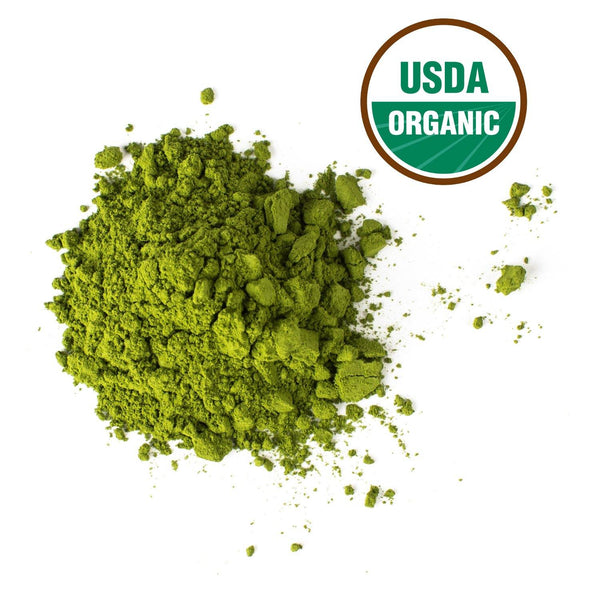
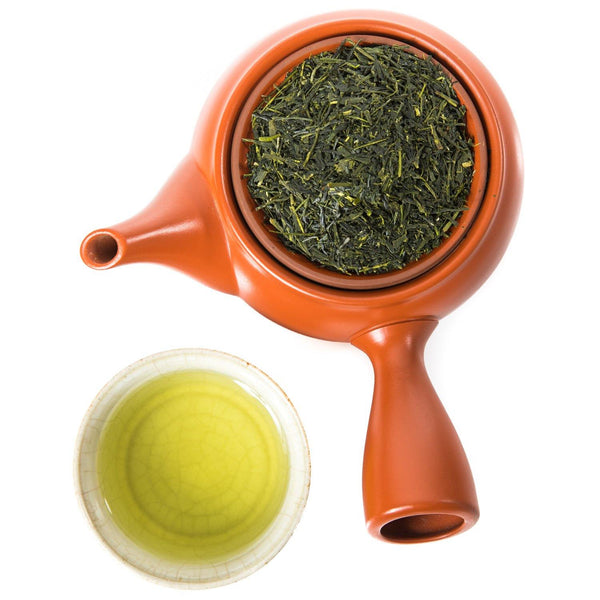
While sencha is a loose leaf tea, matcha is a finely stone-ground powder.
The practice of powdered tea was brought to Japan by the Zen Buddhist monk Eisai, who returned from China in the late 12th century (around 1191 AD). While Japan spent a good amount of time and effort perfecting powdered tea, which eventually resulted in Chado (茶道 – Way of Tea) – Japan's celebrated tea ceremony tradition, China has long forgotten about powdered tea and was only drinking loose-leaf tea.
Loose-leaf tea in the form of sencha was popularized in Japan only during the 17th century, as a simple alternative way of drinking tea. Read more about the sencha history in our article History of Senchado.

So, can I just grind up some sencha to make matcha at home?
The answer is no. The textures of the two teas are not the only thing that makes them different. In fact, they are grown in completely different conditions and require different processing methods. Grinding up sencha (even if you are able to produce as fine a powder as matcha requires) will only result in sencha powder. This will in no way be matcha.
Differences in processing matcha and sencha.
Tea bushes for sencha are grown under direct sunlight. In the meantime, the tea bushes for matcha production are shaded for several weeks before harvest. High grades of ceremonial matcha practically see no sun. This method helps tea bushes accumulate theanine and chlorophyll, which give the resulting tea natural sweetness, antioxidants, and umami.
You can tell apart good and bad quality matcha by the amount of bitterness it has. Good quality matcha has a high level of natural sweetness. Another difference is the deep green color that tea powder should have, thanks to the stored chlorophyll in the tea bushes. Low grade matcha will most likely be a murky swamp color rather than a vibrant green.

Sencha tea is picked from the stem, shoot, and a few open leaves. For matcha, only the newest, topmost leaves are picked.
After harvest, both matcha and sencha teas are quickly steamed to preserve the bright green color. After drying, sencha is pressed and then ready to be consumed.
For matcha, the tea leaves are further inspected, with all the hard parts, like stems and veins, being removed. Then the carefully selected leaves undergo a unique stone-grinding process. Thus, matcha powder is made.
And although both sencha and matcha are rich in antioxidants and have a variety of health benefits, when we consume matcha, we get a fuller spectrum of these nutrients. This is because matcha is ground up, and when we drink it, we are consuming the whole leaf. On the other hand, when we brew sencha, there is a limit to the nutrients that leave the tea leaf in the brew. Check out the following blog posts to see how you can consume more nutrients when enjoying sencha:
Try Them for Yourself
The difference between matcha and sencha is most apparent in the cup. Our Ceremonial Grade Matcha is stone-ground, shade-grown, from Shizuoka – the benchmark for what good matcha tastes like. Our Sencha is a deep-steamed Fukamushi from Yame – bright, grassy, and clean. Browse our full Japanese tea collection →