Yes, tea contains caffeine – all teas made from Camellia sinensis do, whether green, white, oolong, black, or pu-erh. The only truly caffeine-free "teas" are herbal infusions (tisanes), which don't come from the tea plant at all.
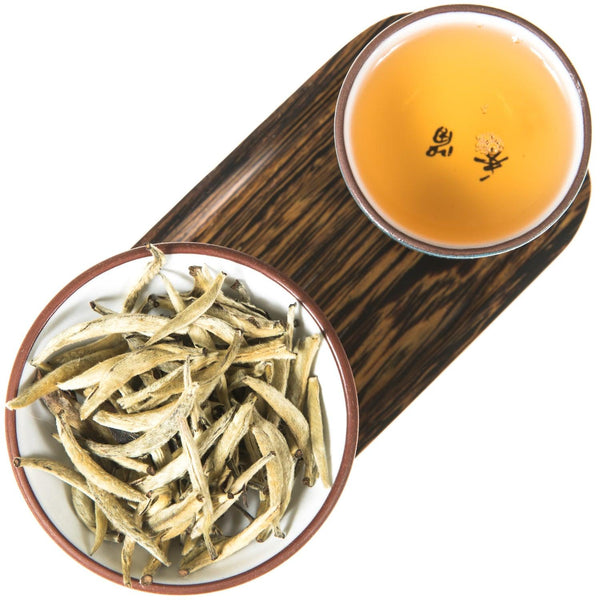
But within the world of real tea, caffeine levels vary widely – and the variation is often surprising. A shade-grown Japanese green tea like Gyokuro can contain more caffeine than a black tea. A Silver Needle white tea made from buds alone can be higher in caffeine than a green tea made from older leaves. The type of tea is only one piece of the puzzle.
We know that many tea enthusiasts barely pay attention to the caffeine content in teas and drink what they feel like drinking when they feel like drinking. However, we also know many who have to control their caffeine intake. And those who purposefully choose teas with a higher caffeine content for energy and motivation. By the way, for those who are interested in getting the most energy out of their tea, we recommend checking out Amazing Tea Substitutes For Coffee.
We're sure you've read many articles along the lines of "stop drinking coffee and switch to tea because of the lesser caffeine content" or "black tea has a higher caffeine content than coffee, so switch back to coffee and forget tea". We won't tell you what to do, but we will try to break the myths and explain the caffeine content in teas.
What Affects the Caffeine Content in Tea

All teas (except herbal) come from the same plant — our beloved Camellia Sinensis. All tea leaves contain caffeine – typically 2–5% of the dry leaf weight, depending on the cultivar, growing conditions, and which part of the plant is harvested.
Several key factors determine how much caffeine ends up in your cup:
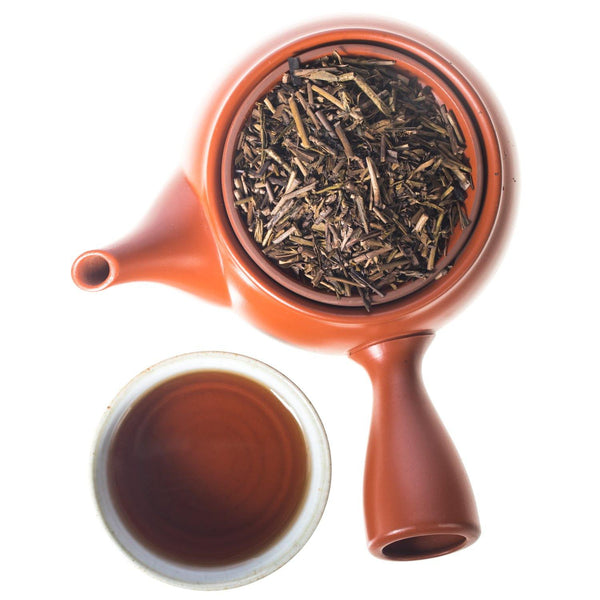
• Part of the plant: Buds and young leaves contain significantly more caffeine than older leaves and stems. This is why tippy teas (high in buds, like Silver Needle or Golden Monkey) tend to be higher in caffeine than teas made from more mature leaves. Stems and stalks are very low in caffeine – one reason Hojicha (often made from stems and twigs) is a popular lower-caffeine option.
• Cultivar: Different varieties of Camellia sinensis produce leaves with different caffeine levels. Assamica cultivars (used for most Indian and many Yunnan teas) are naturally higher in caffeine than sinensis cultivars (used for most Chinese teas). Some cultivars have been specifically developed for low caffeine content.
• Growing conditions: Shade-grown teas – like Gyokuro and Matcha – actually contain more caffeine than sun-grown teas of the same cultivar. Shading causes the plant to produce more caffeine as a natural defense against insects (caffeine is toxic to many pests). This is counterintuitive but well-documented.
• Harvest season: Early-season leaves (first flush, pre-Qingming) tend to be higher in caffeine than later-harvest leaves. Young spring growth is the most metabolically active part of the plant.
• Oxidation level: The oxidation process itself doesn't significantly change caffeine content – a common misconception. Black tea is not inherently higher in caffeine than green tea because it's more oxidized. The difference in caffeine between tea types comes mainly from cultivar choice, leaf grade, and brewing parameters, not oxidation level.
• Water temperature and brewing time: Caffeine is highly soluble in hot water. Brewing at lower temperatures (as with Gyokuro at 50–60°C) extracts caffeine more slowly. A short, low-temperature steep can meaningfully reduce caffeine extraction compared to a full-temperature brew. Longer steeping gives more time for caffeine to be extracted.
Caffeine by Tea Type – A General Guide
Note: caffeine levels vary widely within each category depending on all the factors above.
These are approximate ranges for a standard 200ml cup brewed with hot water.
-
White tea: ~15–50mg (varies a lot: Silver Needle buds are relatively high, while lower leaf whites are lower)
-
Green tea: ~20–50mg
-
Yellow tea: ~20–45mg
-
Oolong: ~25–55mg
-
Black tea (Hong Cha): ~25–60mg
-
Pu-erh (raw / ripe): ~30–70mg
-
Matcha: ~50–80mg
-
Coffee (for reference): ~80–150mg
Tea type alone does not reliably predict caffeine level. Brewing method, leaf grade, and cultivar matter at least as much.
Is Drinking Tea With a Higher Caffeine Content Bad For You?
Generally speaking, no, unless you have a strong sensitivity to tea.
Green teas and other lightly oxidized teas offer plenty of benefits – high antioxidant content, anti-inflammatory properties, and more. Some people find that drinking green tea on an empty stomach can cause mild nausea, so if you have a sensitive stomach, it's worth having a small snack beforehand.
As for post-fermented teas, like pu-erh, the fermentation process does not increase the caffeine content.
Caffeine Content in Tea Versus Coffee
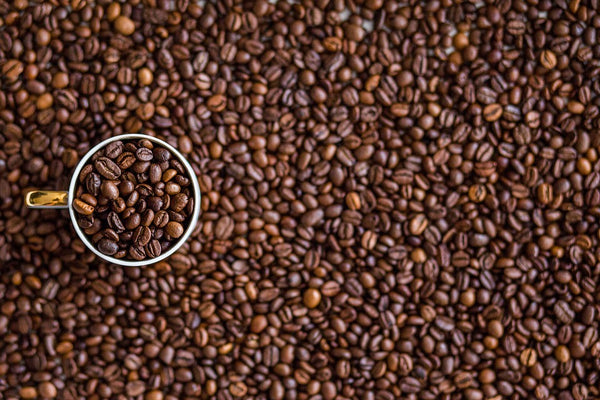
This is the myth breaker. All teas, including black tea, the most oxidized type, contain less caffeine than a properly brewed cup of coffee. A typical cup of tea contains roughly 20–70mg of caffeine, while a cup of coffee typically contains 80–150mg. That said, a strongly brewed tea can approach the lower end of coffee's caffeine range
For more information on the subject, check out our article Caffeine: Tea Vs. Coffee, where we break everything down step by step.