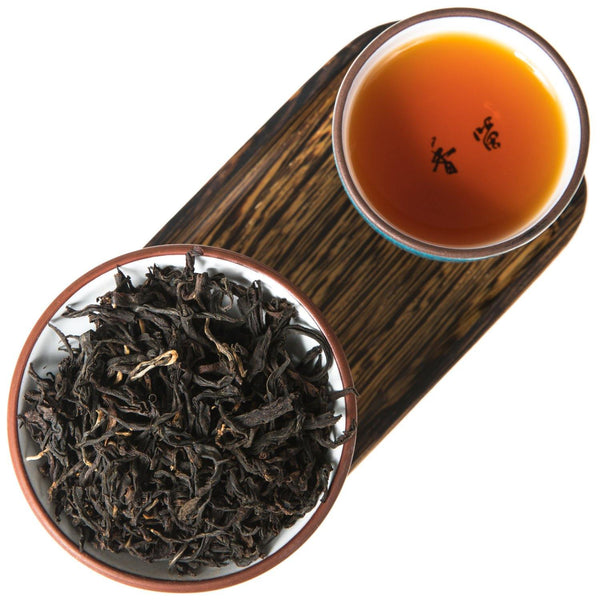
Yes, black tea (just as any other true tea) contains caffeine, typically between 25–60mg per 200ml cup, depending on brewing parameters, leaf grade, and cultivar. However, it is not necessarily higher in caffeine than green or white tea. The type of tea is far less important than the leaf grade and brewing method.
The 4 Unarguable Truths About Tea Caffeine Levels:
1. All tea derived from Camellia Sinensis naturally has caffeine, unless it was decaffeinated
2. The level of caffeine varies in all types of tea based on many factors
3. Young tea leaves and buds have the highest caffeine levels
4. Tea leaves harvested from the same bush on the same day will have essentially the same caffeine content in the dry leaf, regardless of whether they go on to be processed as black tea or white tea. It is the processing conditions – not oxidation – that can marginally affect how much caffeine extracts into your cup.
Strongest Teas: Tea With the Highest Caffeine Level
There are at least a few noteworthy things that play a role in caffeine levels in tea:
- tea made from buds and first flush leaves
- tea bushes fertilized with nitrogen (common in Japanese teas)
- African tea production predominantly uses Camellia sinensis var. assamica cultivars, which are naturally higher in caffeine than the sinensis varieties more commonly used in Chinese teas.
Some of the lowest caffeine content is found in older Chinese tea bushes harvested in the fall.
Next, we should examine how processing affects the caffeine content of tea.
It is a common misconception that highly oxidized teas like Black teas and Pu-erh have higher caffeine content.
Caffeine is a chemically stable alkaloid that does not significantly decrease during the oxidation process. Any perceived differences in caffeine levels between Black and Green teas are usually due to the leaf maturity (buds vs. mature leaves), the tea varietal, or the brewing method, rather than the chemical breakdown of caffeine during oxidation.
Caffeine In Tea Vs Coffee
Many believe they should not have any caffeine. This belief, unfortunately, often stems from experiences of high caffeine intake from coffee or other caffeinated beverages like soda and energy drinks.
Is the caffeine in tea the same?
The answer is, of course, yes. But! Tea contains L-theanine. L-theanine is an amino acid found almost exclusively in tea. It has a calming effect on the nervous system, and when caffeine and L-theanine work together, the result is a focused, alert state without the jitteriness or sharp crash associated with caffeine alone.
We generally recommend choosing naturally low-caffeine teas over commercially decaffeinated options where possible, as the decaffeination process reduces antioxidant content along with caffeine. Read our article about decaffeinated teas.
While drinking decaffeinated teas might be necessary for those with a high caffeine intolerance, many find that drinking certain teas with low caffeine contents won’t affect their well-being and will actually positively energize them, imparting a state of clear-mindedness.
If you do have a serious caffeine intolerance, however, consider drinking tisanes, which still have plenty of nutrients and other herbal tea benefits.
Caffeine In Green Tea vs Black Tea
First, to answer the question, does green tea have caffeine? – It most certainly does! Furthermore, as already mentioned, black tea does not necessarily have a higher caffeine content than green tea, and this depends on the processing method and other conditions.
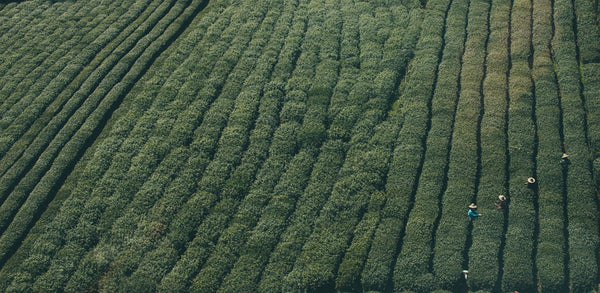
For instance, many Japanese green teas often have higher caffeine content because:
- the soil is fertilized with nitrogen (which also increases the nutritional value of the tea)
- the tea bushes are shaded before harvest, which increases not only the desired theanine but also the green tea caffeine content. This is one of the reasons why Japanese teas are such a deep, vibrant green color.
To learn more about what affects caffeine in tea, read our comprehensive caffeine guide