It is very easy to spoil perfectly good tea. But the good news is that making good tea is not so hard either. Just follow the basic principles for brewing tea, and you’ll be able to enjoy all teas at their fullest potential!
1. Brew whole-leaf tea

Needless to say, unless you are brewing whole-leaf tea, you aren’t really tasting the flavor of the tea. There are some exceptions, of course (some Japanese teas come in powdered form), but teas sold in tea bags are just leftovers from a harvest, made from leaves that are otherwise undesirable. Think of it as instant coffee vs coffee beans. So we say that loose whole-leaf tea is the baseline starting point of brewing good tea.
2. Use the right amount of tea
For most loose-leaf teas, the ratio of tea to water should be between 1g:70-100ml, if brewed Western Style or Grandpa Style.
If brewed Gong Fu Cha style, the ratio should be 1g:20-25ml
3. Use good water

Think about it: a cup of tea is mainly water, so water does matter. Use your favorite filtered or spring water. Avoid overboiling water – it loses dissolved oxygen, which noticeably flattens the taste of the brewed tea.
4. Get the temperature of the water right

It is very important to brew tea using water of the right temperature.
Brewing tea with water that is too hot will damage the tea. Too cold, and the leaves won’t open to their fullest potential.
The optimal brewing temperature range varies from tea to tea, but when in doubt, just follow this general guideline:
• Green teas – 175-185ºF / 80-85ºC
• White teas, Yellow teas – 185ºF / 85ºC
• Oolong teas – 195-212ºF / 90-100ºC
• Black (Red) teas – 195ºF / 90ºC
• Pu-erh teas – 212ºF / 100ºC
If you are using a regular kettle without water temperature presets, read our article on how to determine water temperature without using any additional devices.
5. Preheat the teaware and warm up the tea
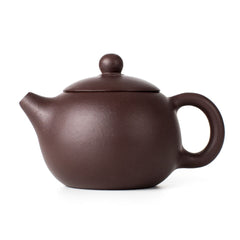
Preheat the serving teapot beforehand. This will allow you to keep the temperature of the water at the desired level. Otherwise, when hot tea gets poured into a cold teapot, the temperature decreases, and the experience loses value.
It’s best to gently "wake up" the tea first to avoid “shocking” it by rapidly changing its environment.
To do so, we recommend first rinsing the teapot with hot water to warm it. Then pour out the water and place the dry tea leaves into the pre-heated teapot. Let it sit with the lid on for about a minute. Your tea is now ready for brewing.
6. Do not over-steep

This is the second biggest mistake people make when brewing tea (number one is damaging tea by pouring boiling water over it). Some people say they don’t like tea because it is too bitter or astringent. The tea should never be too bitter or astringent if you are brewing it properly and not over-steeping.
Don't leave your tea in the water for too long. Decant the water in a timely fashion and your tea will have a nice round and smooth mouthfeel.
The specific amount of time that is optimal differs according to the type of tea and the proportion of tea to water you are using. If you follow the ratio recommended in Chapter 2, steep your tea for 3-4 minutes when brewing Western-style.
7. Give your tea enough space to release its flavor
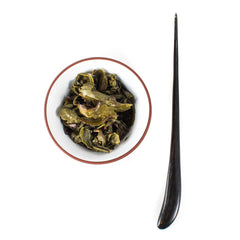
You are brewing a tea that has been well cared for, groomed, carefully picked, artfully produced, thoroughly checked, and shipped across the ocean to share its distinctive flavor and unique characteristics with you. So, when steeping tea, don't let the tea leaves squander in a tight space. Give your tea leaves the space they need to open up and release their flavor so you can enjoy everything that your tea has to offer. Don't put too much tea into your teapot. When using good tea, even a small amount will suffice to acquire the full taste.
8. Do not put sugar in

You should know better. But it’s important to mention anyway... just in case. You want to taste the tea, don't you? Sweeteners are used to get rid of the taste of bad tea. Good tea deserves a chance to present itself on its own.
Conclusion
Good tea. Good water. Right temperature. These are the three core elements of making a good cup of tea.
For a more in-depth understanding of how to brew a good cup of tea, read our article "Brew Better Tea: Understanding Water, Time & Leaf Ratio"