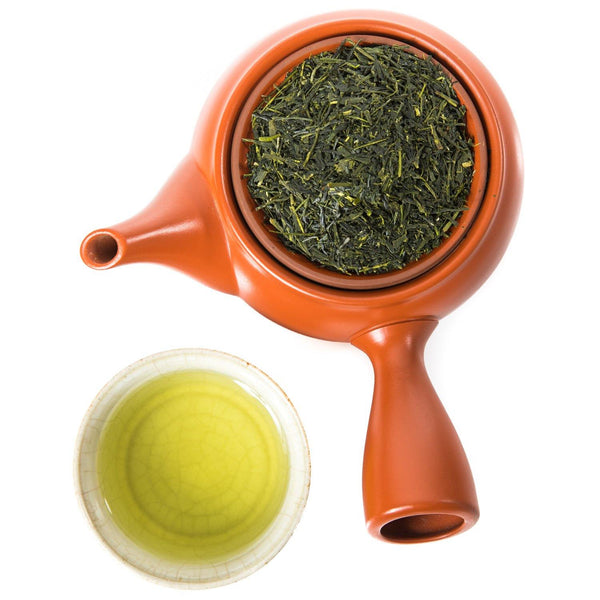
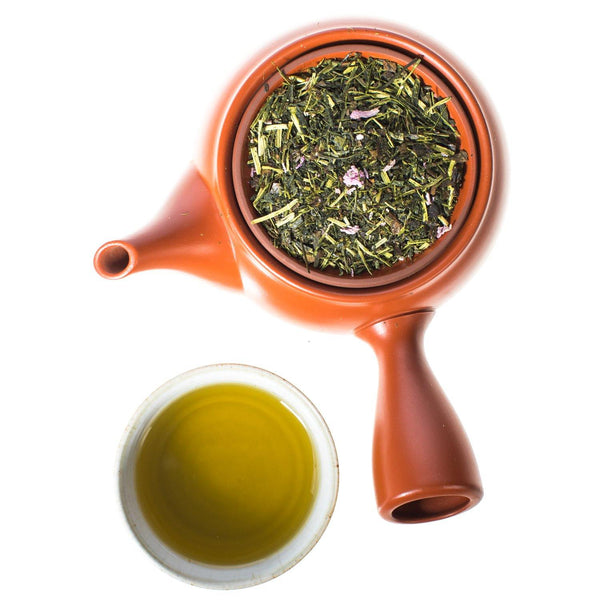
So we’ve already talked about How to Make Cold Brew Tea, where we provided the general ratios and tips for a good-quality cold brew.
Today, we would like to take the topic to a new level and introduce the best way of making cold brew using Japanese green teas.
Why Cold Brew is Better Than Iced Tea
cold-brew method to make iced tea, rather than the traditional hot-brew with ice, yields a smoother tea. The time required is definitely worth the wait, and if you plan in advance and brew overnight, it even saves you some waiting time. Cold brew tea is always sweeter and smoother, with no bitterness.
When we use cold water to extract the best from our tea leaves, the tannins remain in the leaves and do not end up in our brew. These tannins are often responsible for the bitterness we sometimes taste in a cup of hot tea.
Furthermore, cold brews are known to have less caffeine as cold water doesn’t extract as much caffeine as would hot water. Some good news for tea lovers who want to limit their caffeine intake by a bit!
Cold brews are a great drink for those hot summer nights we like to spend outside in the fresh air as the caffeine content won’t disrupt our sleep.
And lastly, cold brews often have comparable or even higher overall antioxidant activity than a hot brew of the same tea. Japanese teas in particular already have a higher number of antioxidants compared to most Chinese teas, thanks to their steaming-based processing. Cold brewing avoids the compound degradation that comes with heat, which helps explain why a cold brew can retain so much of the tea's benefits even though it extracts more slowly overall.

Japanese Cold Brew Tea Recipes:
- Mizudashi, steeping the tea leaves in cold water.
For this method, we recommend using 1g of tea leaf per ~50 ml of cold water. Cover the tea leaves with water in a jar or pitcher, then leave it in the fridge.
Unlike most other loose-leaf teas, which require a minimum of 6 hours, Japanese green teas require only a minimum of 2 hours before the cold brew is ready. If you have more time on hand and would like a stronger brew, you can try steeping it for a maximum of 24 hours.
- The ice method.
This method is recommended for use with higher grades of tea like Gyokuro.
Place 1.5-2g of tea leaves per ~30ml of volume in a kyusu and fill it up with ice. Wait for the ice to melt naturally at room temperature. When all the ice has melted, give the kyusu a light swirl and pour the tea into glasses.
Additional cold brew tips:
-
Make sure to give the tea a gentle swirl before drinking, as the most potent part will settle at the bottom.
-
If you have several blends of leftover sencha with too little tea leaf for a single brew, you can combine them into one cold brew.
-
For people who have teas whose flavor they are not quite fond of, or that have a bit of an unpleasant bitterness (whether Japanese teas or not) — we recommend trying the cold brew method. You never know which brewing method might just be the one for you and bring out all the favorable qualities you were hoping for out of the tea.