Teaware


This handmade lid rest is crafted from Jianshui clay. A lid rest (盖置) is a small but useful piece: it gives the lid of your gaiwan or teapot a clean place to rest between infusions or when you pour water in, and protects the lid from collecting dust. Each piece is hand-shaped, and no two are alike.


In Chinese culture the cute and chubby face of a pig is a symbol of abundance and good fortune. Drinking tea next to the Happy Pig Tea Pet we hope that the your new pig companion rubs off on you and greets you with an abundance of delicious tea and a feeling of peace.


Behold the mystic creature, Firefox. With fur of fiery red, it moves with grace and agility, leaving wonder in its wake. Legends say it possesses magic. Elusive and enigmatic, Firefox remains an enigma revered by those who believe in nature's power and the mysteries it conceals.


Baby Buddha represents joy and contentment in the simple act of tea drinking. His cheerful expression and clasped hands evoke a sense of gratitude and mindfulness, qualities that are central to the Gong Fu Cha tradition. He invites you to slow down, savor each moment, and appreciate the warmth and flavor of your tea.


Pixiu is a mythical Chinese creature, often depicted with a lion-like face and dragon-like body, symbolizing protection, wealth, and good fortune. The detailed facial expression of our Pixiu tea pet will add a touch of humor and a good mood to your tea session:)


A tea-pick is an essential tool for breaking up all forms of pu-erh. Using a specially designated tea-knife prevents you from damaging the cake and leaves fewer leaf scraps. The ribbed grip and protective sleeve make this tea-pick convenient, safe, and perfect to take to-go!

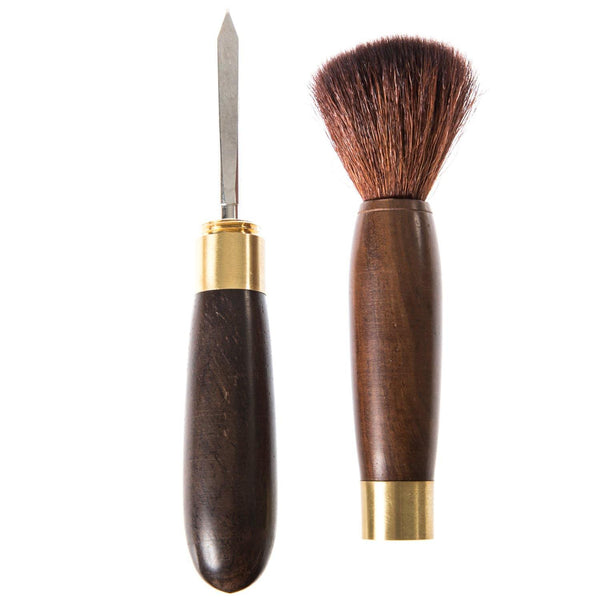
This tea needle is stored securely inside the tea brush. The tea brush is another useful tea ceremony tool. It's used to help clean tea leaf scraps, move excess water down the drain of the tea table, and season Yixing teaware and tea pets.


A tea cloth or tea towel, known as "Cha Bu" (茶布), is a versatile Gong Fu Cha accessory. Put underneath your teapot or near the tea table's edge, its role is to catch and absorb accidental drips or spills, maintaining a clean and orderly tea ritual space during tea sessions.


Luffa coaster is an elegant solution to tidying your tea space. Place it under a teapot or favorite teacup to soak up any spills – loofah's natural fibers absorb the excessive moisture without becoming sodden too quickly.


Tea is often accompanied by incense burning. This Fisherman incense holder is a good companion to the tea table. The figure sits calmly, holding an incense stick as if it were a fishing rod. It's fitting to pair a fisherman with tea. Both ask for patience. Both reward stillness. And both make more sense when there’s no rush.

• For a $250 card pay only $210 !
• For a $500 card, pay only $410 !
And, besides the savings, if you are looking for the ideal tea or teaware gift but finding the multitude of options a bit overwhelming, this Gift Card will help to make it simple!
About Teaware [+]
Gong Fu Cha (工夫茶) is a practice of making tea with skill, patience, and attention – 工夫 (Gong Fu) meaning the time and effort invested in mastering a craft. The teaware is not incidental to that practice. The material of the vessel, its size, its porosity, and its heat retention all shape what ends up in the cup. Choosing the right teaware for a particular tea is part of the craft itself.
Our teaware spans the major traditions of Chinese and Japanese tea practice – from Chaozhou clay stove and Yixing ZiSha teapots to Japanese Kyusu and Chawan. Browse by category, or read on for guidance on pairing teaware with tea type.
What Is Gong Fu Cha?
Gong Fu Cha is the Chinese practice of brewing tea in small, concentrated quantities using a high leaf-to-water ratio and short, repeated infusions. The same leaves are steeped multiple times. Each infusion reveals something different about the tea.
What Is a Gong Fu Tea Set?
A complete Gong Fu tea set typically includes a small teapot or gaiwan, a Cha Hai (茶海 – Fairness Pitcher), and teacups. A full setup may also include a tea tray (Cha Pan – 茶盘), tea tools (Cha Dao – 茶道), and a tea pet (茶宠 – Cha Chong). Having a complete set is not essential – many practitioners start with just a gaiwan, Cha Hai, and a few cups.
What Is a Tea Pet?
A tea pet (茶宠 – Cha Chong) is a small clay figurine that lives on the tea tray and receives the leftover tea during the session – rinse water, first steep, the last drops from the Cha Hai. Over time, an unglazed clay or porous stone tea pet absorbs the tea's oils and develops its own patina.
Gong Fu Tea Cups
In Chinese, the small drinking cups used in Gong Fu Cha are called Pin Ming Bei (品茗杯 – Tasting Cups). In the West, "Gong Fu teacup" is more widely used. Standard Gong Fu cups range from 30–90ml – small enough to concentrate aroma and encourage multiple short steepings.
Aroma Cups
Aroma cups (闻香杯 – Wen Xiang Bei) come in sets of two: a tall, slender cup and a short, wide tasting cup. Tea is poured into the tall aroma cup, which is then covered with the tasting cup and flipped. The tea moves to the tasting cup, and the aroma cup – still warm – is lifted and inhaled. This practice is most common with aromatic Taiwanese oolongs, though it works with any fragrant tea.
Yixing ZiSha (宜兴紫砂) – The Most Famous Chinese Clay
Yixing clay (ZiSha – 紫砂) comes from Yixing county in Jiangsu province. Its breathable micro-structure and steady heat retention soften some of the harsher edges in the tea, producing a rounder, smoother cup. Because unglazed Yixing clay is porous, it gradually absorbs trace amounts of tea over time – seasoning the vessel and allowing a subtle interaction between clay and liquor that deepens with each session. For this reason, many practitioners keep Yixing teapots dedicated to a single tea type or family.
The main ZiSha clay types:
- Zi Ni (紫泥 – Purple Clay): The most classic and versatile. Breathable, with balanced heat retention. Suited to pu-erh, aged teas, and oolongs.
- Zhu Ni (朱泥 – Red Clay): Fine-grained and less porous than Zi Ni, characteristic red-to-vermilion color. Favored for high-fragrance teas.
- Duan Ni (段泥 – Layered Clay): Stronger sand structure, more absorbent than Zi Ni, softens bitterness and astringency. Color ranges from golden beige to light yellow.
- Lu Ni (绿泥 – Green Clay): Named for the pale green color of the raw ore. After firing, it becomes pale yellow to beige depending on the temperature. A rare clay with excellent breathability.
Unglazed Yixing teaware should never be cleaned with detergent – water only.
Jianzhan (建盏 – Tenmoku)
Jianzhan (建盏) is Chinese black porcelain from Jianyang, Fujian, originating in the Song dynasty (960–1279 AD). The high iron oxide content in the glaze gives Jianzhan its distinctive deep black to iridescent blue-black tones, and has a practical effect on the tea: when hot water contacts the iron-rich glaze, iron ions are released that soften the water, neutralize tannins, and produce a noticeably smoother, sweeter mouthfeel. Jianzhan is particularly well-suited to pu-erh, dark oolongs, and black tea. For reference comparison, pair your Jianzhan cup with a neutral porcelain or glass vessel and taste side by side.
Teapots and Gaiwans
There are two primary brewing vessels in Gong Fu Cha: the teapot and the gaiwan.
A gaiwan (盖碗 – lidded bowl) consists of a bowl, lid, and (sometimes) saucer. Both gaiwan and Chinese Gong Fu teapots are small – typically 80–200ml – and made from clay, porcelain, or glass.
Choosing Teaware by Tea Type
White Tea Young white tea is delicate. Use thin-walled porcelain or glass – neutral vessels that won't overpower subtle florals. Yixing clay is not recommended for young whites; it can mask the tea's delicacy. Aged white tea, however, benefits from thick-walled vessels and handles Yixing well.
Green Tea and Yellow Tea Thin porcelain or glass works best. Green tea is temperature-sensitive and benefits from quick pouring – choose a teapot with a fast-flowing spout.
Light Oolong Tightly rolled lightly oxidized oolongs (Taiwanese high mountain, Anxi Tie Guan Yin) need room to expand. Use a tall, round teapot or gaiwan. Porcelain or glass preferred; porous clay is workable but less ideal.
Wuyi Rock Tea and Dan Cong Oolong Dark, roasted, strip-leaf oolongs suit flat, short teapots with thick walls. Porous clay – particularly Yixing Zhu Ni and Chaozhou Hong Ni – is the traditional choice: the clay rounds out robust flavors and accumulates the aromatic oils over time.
Black Tea (红茶 – Hong Cha) Chinese black tea handles high temperatures well. Thick-walled teapots and Yixing clay suit most styles. Exception: highly smoky teas like Lapsang Souchong are best brewed in porcelain or glass so the smoke doesn't permanently season the clay.
Raw Pu-erh (生普洱 – Sheng), Ripe Pu-erh (熟普洱 – Shou), Hei Cha (黑茶) Porous, heat-retaining clay teapots that absorb excessive bitterness and astringency and integrate the earthy, woody character of the tea.
Japanese Tea
Matcha (抹茶) requires a chawan (茶碗 – tea bowl), a chasen (茶筅 – bamboo whisk), a chashaku (茶杓 – bamboo scoop), and a matcha sifter. The chawan must be wide enough for the whisk to move freely.
Kyusu (急須) A traditional Japanese side-handle teapot made from clay. The built-in mesh filter holds back fine Japanese leaves. Used for sencha, genmaicha, hojicha, and most everyday Japanese green teas.
Shiboridashi (絞り出し) or Houhin (宝瓶) Similar to a gaiwan in form but with a built-in spout filter. The lid acts as a strainer during pouring. Ideal for low-temperature, umami-rich teas like gyokuro and premium sencha.
Tetsubin (鉄瓶) A traditional Japanese cast-iron kettle, used for boiling and holding water. The modern version – the Tetsu-Kyusu – is enamel-coated inside and can be used for brewing. Do not place on a stove.